GridinSoft Threat Intelligence
pcid.dll threat report
GridinSoft Anti-Malware detection
Detected by GridinSoft before you download
The current ThreatInfo record shows this exact file hash detected as Adware.Kuaiba. Download GridinSoft Anti-Malware to scan the device, confirm whether this file is present, and remove the detected object if it is found.
- Detection name
- Adware.Kuaiba
- Recommended action
- Scan and remove
- Last analysis
- 2023-01-04 23:25:13 (3 years ago)
- File hash
- 1d66e130dac29c706a1005268d98dab0
Why it matters
Why GridinSoft flags this file
GridinSoft identifies the sample as Adware.Kuaiba, part of the Adware threat category.
Programs that inject advertising, change browser behavior, or monetize traffic through bundled components. Related Adware reports help compare this file with nearby detections, publishers, and hashes.
First seen 2017-05-21 04:02:52 (9 years ago); latest analysis 2023-01-04 23:25:13 (3 years ago).
Signed by 深圳市猫哈网络科技发展有限公司. The signature is reported as valid, but signed files can still be bundled or abused.
ThreatInfo has seen this file in user or system paths listed below. Unexpected locations increase the need for local verification.
Recommended action
What to do next
- Compare the MD5 above with the file found on the device.
- Check whether the file appears in the observed locations or under one of the alternate names.
- Run GridinSoft Anti-Malware to confirm the detection and remove the file if it is present. Review the Adware category for related samples and common context.
File context
pcid.dll is a Windows file recorded in the ThreatInfo database. The current detection status is Adware.Kuaiba, based on the latest analysis from 2023-01-04 23:25:13 (3 years ago). ThreatInfo groups this verdict with Adware reports for broader family-level investigation.
If pcid.dll appears on your computer unexpectedly, treat it as suspicious. Check its location, digital signature, and recent system changes before allowing it to run. A full anti-malware scan is recommended when this file is detected as Adware.Kuaiba.
File Details
| MD5: | 1d66e130dac29c706a1005268d98dab0 |
| Size: | 119 KB |
| First Published: | 2017-05-21 04:02:52 (9 years ago) |
| Latest Published: | 2023-01-04 23:25:13 (3 years ago) |
| Status: | Adware.Kuaiba (on last analysis) | |
| Analysis Date: | 2023-01-04 23:25:13 (3 years ago) |
Detection screenshot
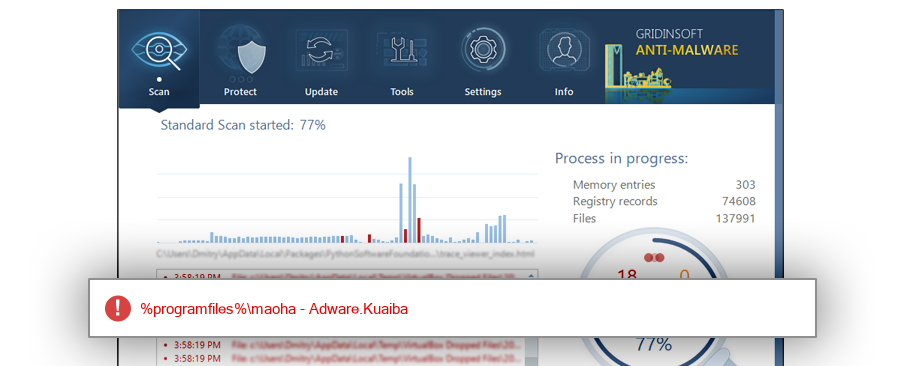
The screenshot is a visual record of a GridinSoft Anti-Malware detection for this sample. Use the hash and metadata above as the primary identifiers when comparing the file on your system.
Overview
| Signed By: | 深圳市猫哈网络科技发展有限公司 |
| Status: | Valid |
The signature on pcid.dll is reported as valid. A valid signature helps confirm publisher identity, but it does not automatically make the file safe if the installer was bundled, abused, or downloaded from an untrusted source.
Common Places:
| %programfiles%\maoha\maohaap |
| %sysdrive%\adwcleaner\quarantine\files\hqwcouoiidlkcdajrpouhcgvlpxpqmpq\maohaap |
| %programfiles%\greatmaker\maohawifi |
| %programfiles%\greatmaker |
| %programfiles%\maoha |
| %sysdrive%\adwcleaner\quarantine\files\ydnmbaqijnfabvujyxwxbtqpmxdpfwxp |
| %localappdata%\maoha |
| %sysdrive%\adwcleaner\quarantine\rqf69azbla |
| %sysdrive%\adwcleaner\quarantine\files\xbzpuoqckzzskvdyctdxxxboqznebgjr |
ThreatInfo has observed pcid.dll in the locations listed above. Files found in temporary folders, user profile folders, startup locations, or unusual application directories should be reviewed more carefully than files installed under a known program directory.
Geographic signal
Observed country distribution
ThreatInfo has seen pcid.dll across 49 countries. Use this signal to compare local evidence with where the sample is most often reported.
The strongest geographic signal for this file is Vietnam with 28.2% of observed hits. Geographic distribution can help identify targeted campaigns, regional software bundles, or where a file is most commonly reported.
OS Version:
The most common operating system signal for pcid.dll is Windows 7 with 72.8% of observed hits. If your system differs from the common profile, check whether the file was introduced by a specific installer, archive, or removable device.
Analysis
pcid.dll is identified as pe for 32-bit systems. The subsystem is Windows GUI. PE header values are useful for triage, especially when they do not match the expected publisher, product, or release timeline.
PE Sections:
Section layout highlights raw-size concentration, repeated names, packer markers, and hashes that can be compared across related samples.
88bffa6cdebacfc2c5424ce9831ff5a9
63eb9bfac51185e96a958fa4ee1222c8
b8122117e8d2805ca140add4b3b2b9d8
c00d5ca77c5a8292dc19f4dc3741384e
0f88bc3f35cdd5e7ba2965291332b248
PE section names and hashes can reveal packing, injected resources, or unusual build artifacts. Sections with uncommon names, very large raw data, or hashes that differ from a trusted copy deserve additional review.
Report conclusion
GridinSoft detects this file as Adware.Kuaiba
This report identifies pcid.dll by MD5 1d66e130dac29c706a1005268d98dab0. It is part of the Adware report group. If the same file is present on your device, scan the system and remove the detected object after confirming the hash and location.