How to remove cxLayerNET.dll
cxLayerNET.dll
The module cxLayerNET.dll has been detected as Trojan.Agent
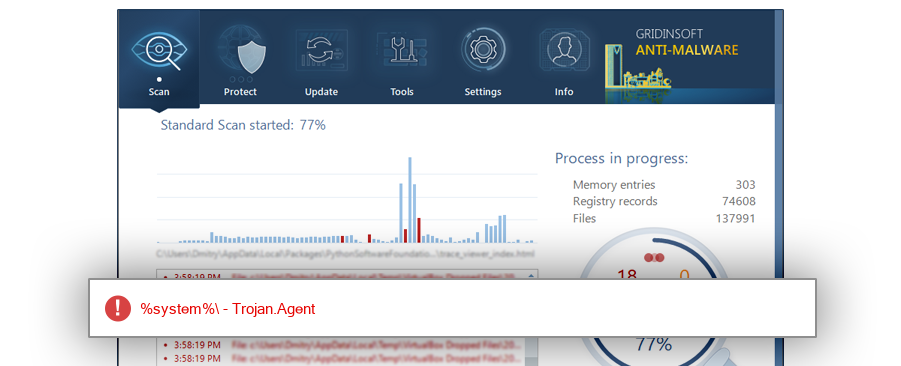
cxLayerNET.dll is a Windows file recorded in the ThreatInfo database. The reported company name is Centralx.com Ltda. The current detection status is Trojan.Agent, based on the latest analysis from 2024-09-16 23:01:53 (2 years ago).
If cxLayerNET.dll appears on your computer unexpectedly, treat it as suspicious. Check its location, digital signature, and recent system changes before allowing it to run. A full anti-malware scan is recommended when this file is detected as Trojan.Agent.
File Details
| Company Name: | Centralx.com Ltda |
| MD5: | dc97a37f5565601716e2fab1d1e6b726 |
| Size: | 2 MB |
| First Published: | 2024-09-16 23:01:52 (2 years ago) |
| Latest Published: | 2024-09-16 23:01:53 (2 years ago) |
| Status: | Trojan.Agent (on last analysis) | |
| Analysis Date: | 2024-09-16 23:01:53 (2 years ago) |
Overview
| Signed By: | Centralx.com Ltda. - EPP |
| Status: | Valid |
The signature on cxLayerNET.dll is reported as valid. A valid signature helps confirm publisher identity, but it does not automatically make the file safe if the installer was bundled, abused, or downloaded from an untrusted source.
Common Places:
| %system% |
| %system% |
ThreatInfo has observed cxLayerNET.dll in the locations listed above. Files found in temporary folders, user profile folders, startup locations, or unusual application directories should be reviewed more carefully than files installed under a known program directory.
Geography:
| 100.0% |
The strongest geographic signal for this file is Brazil with 100.0% of observed hits. Geographic distribution can help identify targeted campaigns, regional software bundles, or where a file is most commonly reported.
OS Version:
| Windows 10 | 100.0% |
The most common operating system signal for cxLayerNET.dll is Windows 10 with 100.0% of observed hits. If your system differs from the common profile, check whether the file was introduced by a specific installer, archive, or removable device.
Analysis
cxLayerNET.dll is identified as pe for 32 systems. The subsystem is Windows GUI. PE header values are useful for triage, especially when they do not match the expected publisher, product, or release timeline.
| Subsystem: | Windows GUI |
| PE Type: | pe |
| OS Bitness: | 32 |
| Image Base: | 0x00400000 |
| Entry Address: | 0x00271eec |
PE Sections:
| Name | Size of data | MD5 |
| .text | 2551808 | 46294d6ca75dae480a5961a34a6b93b7 |
| .itext | 8192 | 62ef54ef4dd2076ac85a52863bbf8db2 |
| .data | 34816 | a70cf3e35a5285e910b8bf232e6e9a8c |
| .bss | 0 | d41d8cd98f00b204e9800998ecf8427e |
| .idata | 15360 | 9766bbe5ec2b655fd9ccf7f477382abf |
| .didata | 2560 | 9cb2f135166685f6a48e942289428c86 |
| .edata | 1024 | 6e18bb9dc4bc2cef202f0c5bcf9999fe |
| .reloc | 230400 | 37a99dea2e118372e9015f40d481d692 |
| .rsrc | 55296 | dde3607d0eea134c183f6fd8ff74f5fd |
PE section names and hashes can reveal packing, injected resources, or unusual build artifacts. Sections with uncommon names, very large raw data, or hashes that differ from a trusted copy deserve additional review.
More information:
